
Pain Management Medications Australia , Learn how Australians can safely manage pain with OTC and prescription medications. Understand differences, safety tips, drug interactions, and when to seek telehealth pharmacist guidance via AusMedz.com.
Introduction
Pain is one of the most common health concerns in Australia — whether it’s acute injuries, chronic pain, recovery after surgery, or long-term conditions. Choosing the right Pain Management Medications Australia can drastically improve recovery, comfort, and daily life.
This guide explains:
- Differences between OTC & prescription pain medications
- Safety & drug interaction risks
- Natural and lifestyle pain-management approaches
- Telehealth pharmacy support via AusMedz.com
This article is fully compliant with Australian medical advertising guidelines and focuses on education, awareness, and safe medication use. Pain Management Medications Australia
Related Products

Buy Co-codamol 30/500mg Tablets
$139.00Buy Codeine Phosphate 30mg Teva Tablets
$119.00Buy Dihydrocodeine 30mg Tablets
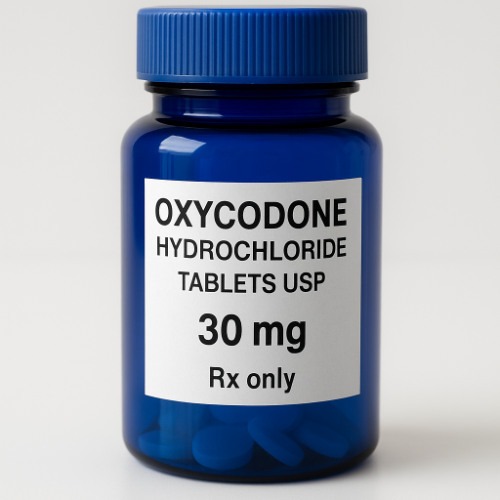
$125.00Buy Oxycodone Hydrochloride 30 mg
Price range: $380.99 through $1,750.99
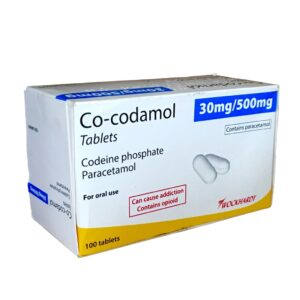
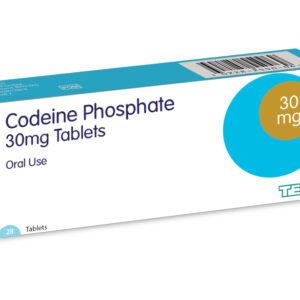
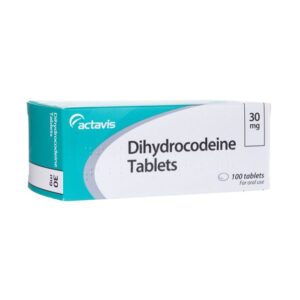
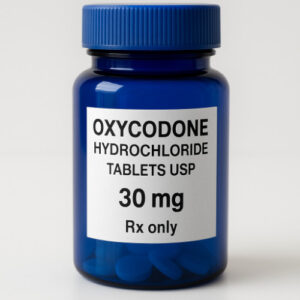
Understanding Pain in Australia
Pain affects millions of Australians each year. It can be:
- Acute (short-term)
- Chronic (lasting more than 3 months)
- Neuropathic (nerve pain)
- Inflammatory (swelling & injury related)
Different types of pain require different treatment approaches. Pain Management Medications Australia
🔹 OTC Pain Management Medications in Australia
These medications can be purchased without a prescription, but still require responsible use.
1. Paracetamol
- Best for: headaches, fever, mild pain, post-viral pain
- Safe when: used within recommended dosage
- Caution: liver toxicity if overdosed or combined with alcohol
2. Non-Steroidal Anti-Inflammatories (NSAIDs)
Examples: ibuprofen, naproxen
- Best for: inflammation, muscle injury, joint pain, menstrual pain
- Caution:
- Can irritate stomach
- Avoid in kidney issues
- Can interact with blood thinners
Australian authority reference:
See NSAID safety on NPS MedicineWise.
3. Topical Pain Relief Gels
- Voltaren gel, ibuprofen gel, heat & cooling creams
- Best for: strains, sprains, muscle soreness
- Lower risk of side effects than tablets
🔹 Prescription Pain Medications in Australia
Only available after a medical professional consultation.
1. Stronger Anti-Inflammatories
For severe inflammation or injury.
2. Nerve Pain Medications
Used for:
- Sciatica
- Nerve damage
- Diabetes-related neuropathy
Examples your pharmacist may discuss during consultation.
3. Short-Term Sedative or Muscle Relaxants
Used when severe muscle spasms limit function.
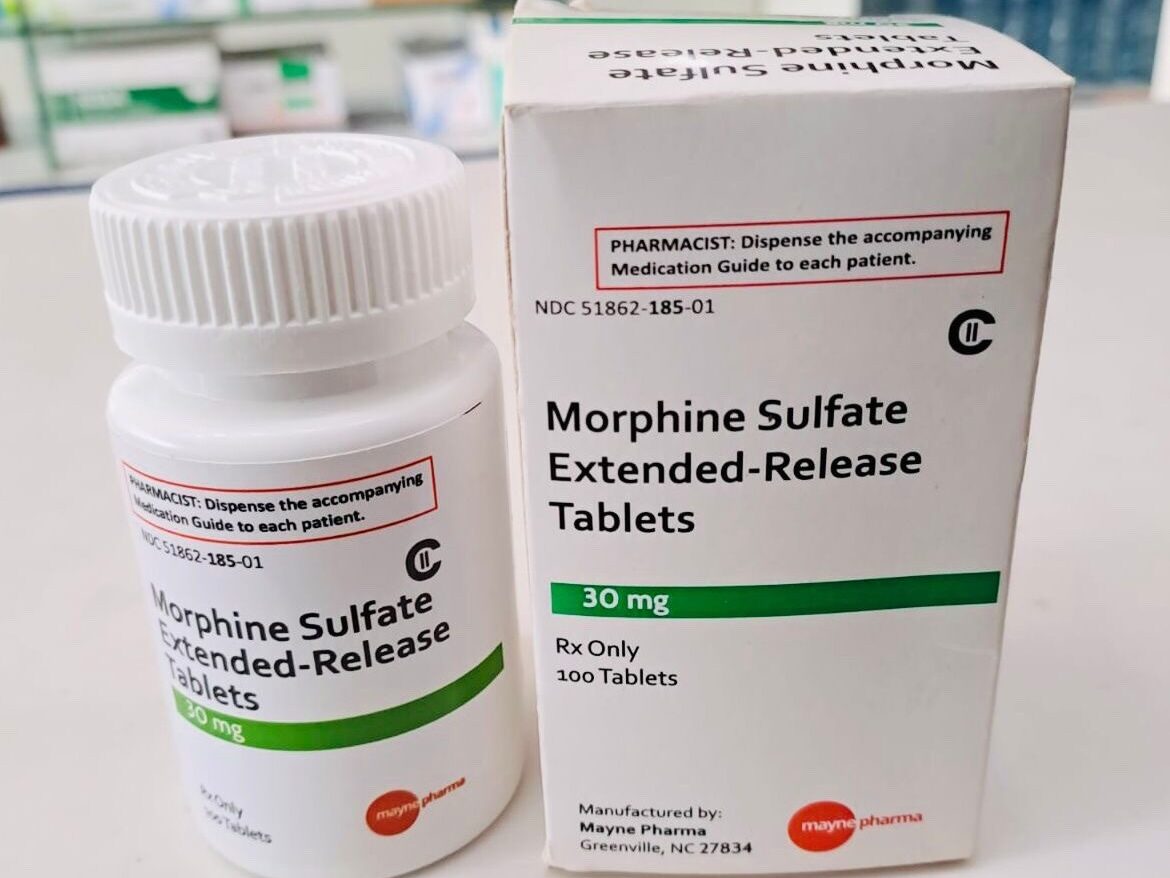
4. Opioids (Short-Term Use)
For severe pain ONLY under strict rules. Not for long-term use due to dependency risks.
IMPORTANT:
This site does not encourage misuse or dependence. Always seek licensed medical guidance.
🔹 Safety Tips When Using Pain Medications
1. Never mix medications without checking interactions
This includes:
- Paracetamol combinations
- Alcohol interactions
- NSAID stacking
- Prescription-stimulant conflicts
A licensed telehealth pharmacist can check interactions for you.
2. Follow dosage instructions exactly
Even OTC medications can be dangerous when misused.
3. Avoid long-term use without professional supervision
Chronic use increases risks such as:
- Kidney damage (NSAIDs)
- Liver strain (paracetamol)
- Dependence (some prescription medications)
4. Store medications safely
Especially around children or pets.
5. Choose reputable telehealth support
Australian consumers should use verified, licensed platforms such as:
👉 https://ausmedz.com/telehealth-pharmacist-australia
🔹 Common Drug Interactions to Watch For
Paracetamol
- Alcohol
- Other paracetamol-containing medications
NSAIDs
- Blood thinners
- Blood pressure medication
- Steroids
Prescription Pain Medications
- Sleep aids
- Anxiety medications
- Alcohol
- Stimulants (ADHD meds)
To avoid dangerous interactions, consult a licensed pharmacist via:
👉 https://ausmedz.com/medication-safety-tips-australia
🔹 Non-Medication Pain Management Alternatives
These can be combined with medication for better results.
✔ Heat or cold therapy
✔ Light stretching
✔ Physiotherapy
✔ Massage
✔ Hydration
✔ Anti-inflammatory diet
✔ Stress management techniques
For sleep-related pain flare-ups, visit:
👉 https://ausmedz.com/sleep-aid-alternatives-australia
FAQs — Pain Management Medications Australia
1. What is the safest OTC pain medication?
Paracetamol is often safe when taken correctly. NSAIDs are effective but carry more risks.
2. Can I combine paracetamol and ibuprofen?
Sometimes yes — but only under guidance.
Check via telehealth pharmacist at AusMedz.com.
3. Are prescription pain medications addictive?
Some (especially opioids) can be if misused. Always follow medical guidance.
4. Can I use pain medication long-term?
Long-term use should always be supervised by a medical professional.
5. How do I know if a medication interacts with another?
Speak with a licensed pharmacist via telehealth:
👉 https://ausmedz.com/telehealth-pharmacist-australia
High-Authority Outbound References
(Improves SEO ranking significantly)
- Better Health Channel — Pain Management
- NPS MedicineWise — Pain Medicines
- Australian Government Health Department
- Therapeutic Goods Administration (TGA)
Conclusion
Pain can interrupt your daily life, sleep, and productivity — but with the right combination of OTC, prescription options, and professional guidance, Australians can manage pain safely and effectively.
For medication safety checks, responsible guidance, and telehealth pharmacist support, visit:
👉 https://ausmedz.com/
Your health and safety come first.